By: Syed Huzaifah Ali Nadwi, Cambridge.
There are seasons when the heart refuses the etiquette of indifference. A line on a screen, a voice that breaks mid-sentence, an image that refuses to leave—and, quietly, without ceremony, strangers begin to live in our prayers. Life goes on in its ordinary rhythms—school runs, invoices, emails—yet something inside holds its ground, keeping vigil for people we have never met in places we have never seen. The world, practised in briskness, can call such tenderness excessive; Revelation, with its different scale, calls it life. Sūrat al-Isrāʾ teaches us how to stay human without becoming numb, and firm without becoming harsh.
In weeks like these I find myself returning to a handful of verses in Sūrat al-Isrāʾ. The sūrah opens by lifting our gaze from the churn of events to the One who holds their measure:
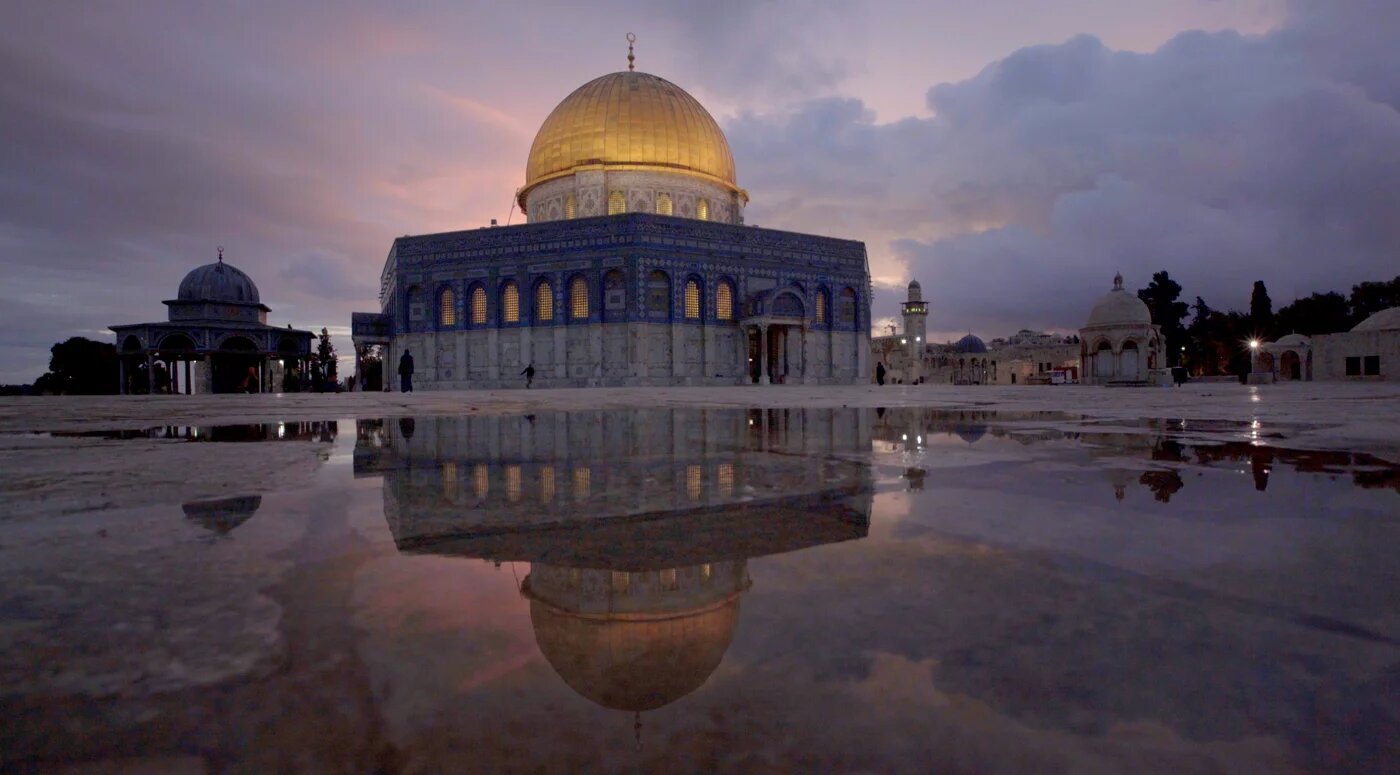
سُبْحَانَ ٱلَّذِي أَسْرَىٰ بِعَبْدِهِ لَيْلًا مِنَ ٱلْمَسْجِدِ ٱلْحَرَامِ إِلَى ٱلْمَسْجِدِ ٱلْأَقْصَى ٱلَّذِي بَارَكْنَا حَوْلَهُ لِنُرِيَهُ مِنْ آيَاتِنَا ۚ إِنَّهُ هُوَ ٱلسَّمِيعُ ٱلْبَصِيرُ
“Glory be to the One who took His servant by night from the Sacred Mosque to the Farthest Mosque—whose surroundings We have blessed—so that We might show him some of Our signs. Indeed, He alone is the All-Hearing, the All-Seeing.” (17:1)
The narrative does not begin with routes and distances but with subḥān—a clearing of the horizon—so that before proofs and details we remember where possibility lies. At the threshold of an immense sign, the Prophet ﷺ is named not “leader” or “victor”, but “His servant”, which is its own quiet correction to an age that measures worth by visibility and leverage. Al-Aqṣā is named with care—“whose surroundings We have blessed”—as if to settle another confusion: sanctity is not issued by possession, nor cancelled by its absence. In the Qurʾānic imagination, blessing is a decree before it is a deed; it precedes borders and survives them. And the verse closes with an assurance that needs no amplification: what is whispered and what is done is heard and seen.
Even so, the ache remains: a magnitude of suffering on one side, and on the other, the small reach of an individual life. Charity can feel like a drop in a fire; sentences arrive smaller than the grief they try to carry; even the act of closing the screen for an hour collects its own guilt. This is not hypocrisy; it is the honest pain of limits. The tradition does not mock that pain; it gives it grammar and time:
وَلَا تَحْسَبَنَّ ٱللَّهَ غَافِلًا عَمَّا يَعْمَلُ ٱلظَّالِمُونَ ۚ إِنَّمَا يُؤَخِّرُهُمْ لِيَوْمٍ تَشْخَصُ فِيهِ ٱلْأَبْصَارُ
“Do not think Allah unaware of what the wrongdoers do; He only delays them to a Day when eyes will stare.” (14:42)
And with equal clarity:
وَلَا يَحْسَبَنَّ ٱلَّذِينَ كَفَرُوا۟ أَنَّمَا نُمْلِي لَهُمْ خَيْرٌ لِّأَنفُسِهِمْ ۚ إِنَّمَا نُمْلِي لَهُمْ لِيَزْدَادُوا۟ إِثْمًا
“Let not those who disbelieve think that Our giving them time is good for them; We only give them time so that they may increase in sin.” (3:178)
The cup fills, drop by drop; when it is full, it spills. Forbearance is not forgetfulness, and delay is not endorsement; it is the slow ripening of justice.
Further into the sūrah, a sentence arrives with the calm of a verdict and quietly rearranges one’s sight:
وَقُلْ جَآءَ ٱلْحَقُّ وَزَهَقَ ٱلْبَاطِلُ ۚ إِنَّ ٱلْبَاطِلَ كَانَ زَهُوقًا
“Say: the truth has come, and falsehood has vanished. Indeed, falsehood is bound to vanish.” (17:81)
Revealed in Makkah—when believers did not look strong by any outward measure—this is less a chant than a way to read history. Falsehood often has volume, funding, and airtime; it also carries its own fuse. The task suggested here is not dramatic: stand on clear ground, keep the means clean, and resist the temptation to borrow the methods of what one opposes. Spectacle is not strength; steadiness is. Keep your means clean, resist borrowing the methods you oppose, and choose steadiness over spectacle.
Then comes a line that is less an argument than a kind of medicine:
وَنُنَزِّلُ مِنَ ٱلْقُرْآنِ مَا هُوَ شِفَآءٌ وَرَحْمَةٌ لِّلْمُؤْمِنِينَ ۙ وَلَا يَزِيدُ ٱلظَّالِمِينَ إِلَّا خَسَارًا
“We send down in the Qur’an what is healing and mercy for the believers; but it only increases the wrongdoers in loss.” (17:82)
The tightness in the chest, the dull anger, the restless habit of checking for the next update—these are real, and the Book meets them where they live. It cools what has been inflamed and straightens what has bent, allowing a person to return to the day with steadier hands. The very same verses can expose obstinacy elsewhere; the difference lies not in the Qurʾān but in the heart that approaches it. In this light, empathy stops being performance and returns to kinship wider than blood. The old image holds without needing to be laboured: when one limb aches, the rest do not sleep. Tears keep a field from turning to desert; measured speech, free of venom, holds the line against unravelling; small, unphotographed care creates the air in which repair becomes imaginable. None of this is grand; it is simply faithful—and it lasts.
Within the same sūrah a further pair of lines folds the argument back into the self, and then out toward responsibility:
إِنْ أَحْسَنتُمْ أَحْسَنتُمْ لِأَنفُسِكُمْ
“If you do good, you do good for your own selves…” (17:7)
Iḥsān is not a one-way transfer; the first person mended by a quiet deed is the one who chose it. A standing order that keeps ticking, a letter drafted and sent, a rumour left unshared—each travels outward but also reshapes the inner weather of the one who acted. This is responsibility without despair. In the algebra of Revelation, these are not token gestures; they are deposits with the One who wastes nothing.
ٱنظُرْ كَيْفَ فَضَّلْنَا بَعْضَهُمْ عَلَىٰ بَعْضٍ
“Look how We have favoured some over others…” (17:21)
The imperative to look is deliberate. It is not a summons to gloat or to despair, but to recognise a trust. Platforms, passports, time, money, health—these gradients are not proofs of worth; they are assignments. Favour, in this register, is functional: what reaches us is meant to pass through us. وَلَلْآخِرَةُ أَكْبَرُ دَرَجَاتٍ وَأَكْبَرُ تَفْضِيلًا — and the Hereafter is greater in ranks and greater in preference. Envy shrinks when sight expands; differences here are temporary and test-shaped. When you cannot control outcomes, control your inputs.
There is also a rhythm at work in these two lines that is not quite poetry and not quite prose—a cadence you feel before you name it. إِنْ أَحْسَنتُمْ… لِأَنفُسِكُمْ turns back on itself with a soft return that mirrors the meaning; ٱنظُرْ كَيْفَ فَضَّلْنَا… steps forward with a measured pulse. The Qurʾān’s music is not a fixed pattern to be counted; it is a steadiness that soothes without theatrics. Tasbīḥ as the norm of the universe—its unending pulse of balance and awareness—is the wider rhythm in which these verses move:
تُسَبِّحُ لَهُ السَّمَاوَاتُ السَّبْعُ وَالْأَرْضُ وَمَنْ فِيهِنَّ ۚ وَإِن مِّن شَيْءٍ إِلَّا يُسَبِّحُ بِحَمْدِهِ وَلَٰكِن لَّا تَفْقَهُونَ تَسْبِيحَهُمْ ۚ إِنَّهُ كَانَ حَلِيمًا غَفُورًا
“The seven heavens, the earth, and all that is in them glorify Him. There is nothing that does not glorify His praise—but you do not understand their glorification. Indeed, He is Most Forbearing, All-Forgiving.” (17:44)
This tasbīḥ is the universe’s norm—its quiet pulse of remembrance—within which the believer learns to breathe, read, and live. In English, we honour that rhythm by letting sentences breathe, allowing key phrases to return without slipping into slogan, and keeping the tone free of frenzy. Beyond sound there is a rhythm of reflection and a rhythm of life: read in a hospital corridor, these verses lean towards patience; read after a long day of messages, they lean towards clarity; read at a quiet Fajr, they settle into trust. The text does not change; the reader does, and the meanings open accordingly. Sūrat al-Isrāʾ also sketches what many have called a Makkan charter of ethics—live these commands and tired hearts become useful hearts.
If there is a thread running through these āyāt, it is that honour is not secured by noise, rank, or ownership, but by ʿubūdiyyah—servanthood before the One who called the horizons of al-Aqṣā blessed long before anyone claimed them. A heart that refuses to go numb is not a liability; it is a sign of life beneath the anaesthetics of the age. One can carry grief without growing harsh, speak clearly without spite, and keep one’s means clean even when outcomes are not in one’s gift. Such choices will not solve the world, but they keep a person human inside it, and that, too, is part of the trust.
There is, finally, a consolation that does not wear thin. Allah may allow the evildoer a long rope, but it is still His rope. He permits the cup to fill, slowly, yet the cup is His. When the hour is right the rope is drawn in, the cup spills, and the ledger—long kept open—is closed with knowledge and mercy.
Between the opening subḥān and the promise of shifāʾ runs a usable path: clarity without cruelty, patience without paralysis, and a tenderness that refuses to harden. Most days it will look ordinary—one prayer made careful rather than hurried; a sentence made honest; a transfer scheduled and forgotten; a visit, a call, a name carried in sujūd. The axis moves by fractions, mostly unseen, but it moves. And that is enough light to keep walking.
Postscript
After this piece was shared, a good friend – and a scholar whose concern I take seriously – asked whether the line about “keeping our methods clean” and not “borrowing the methods of what we oppose” might be heard as a call to quietism: no protest, no organising, and, in the Palestinian context, no resistance.
That is not what is meant.
The concern here is not with whether we stand, but with how we stand. Within the classical ethic, speaking out, organising, protesting, applying pressure, and (where its conditions are met) even armed resistance all have their place. The point is simply that, in all of these forms, we do not import the lying, dehumanising, or indiscriminate harm that we object to in others. The Qur’ānic warning,
﴾وَلَا يَجْرِمَنَّكُمْ شَنَآنُ قَوْمٍ عَلَىٰ أَلَّا تَعْدِلُوا ۚ اعْدِلُوا هُوَ أَقْرَبُ لِلتَّقْوَىٰ﴿
“Let not the hatred of a people drive you away from justice; be just – that is nearer to God-consciousness,”
is the axis: we act, speak, organise and resist – but we strive to do so in a way that remains recognisably Muslim in its means as well as its ends.